Do you remember the first time you played The Witcher 3? Fighting some people outside a tavern? Having to defeat a noonwraith and then helping Vesemir take down a griffin, only to realize it was just the tutorial?
Oh, you remember Fable 2, exploring Bowerstone with your sister, and then, after a tragedy, returning to Bowerstone as an adult, ready for an adventure filled with mystery and revenge. There was magic in that.
Or even better those moments in Half-Life 2 that just happened, whether you saw them or not? They filled the world with life.
Or maybe those times in Baldur’s Gate 3, where simply immersing yourself in role playing had a significant impact, leading to situations too crazy to be true?
Ah, but then there was Skyrim where you started the game and immediately got lost in its world, just because. Because it was Skyrim, and its world pulled you in for hours.
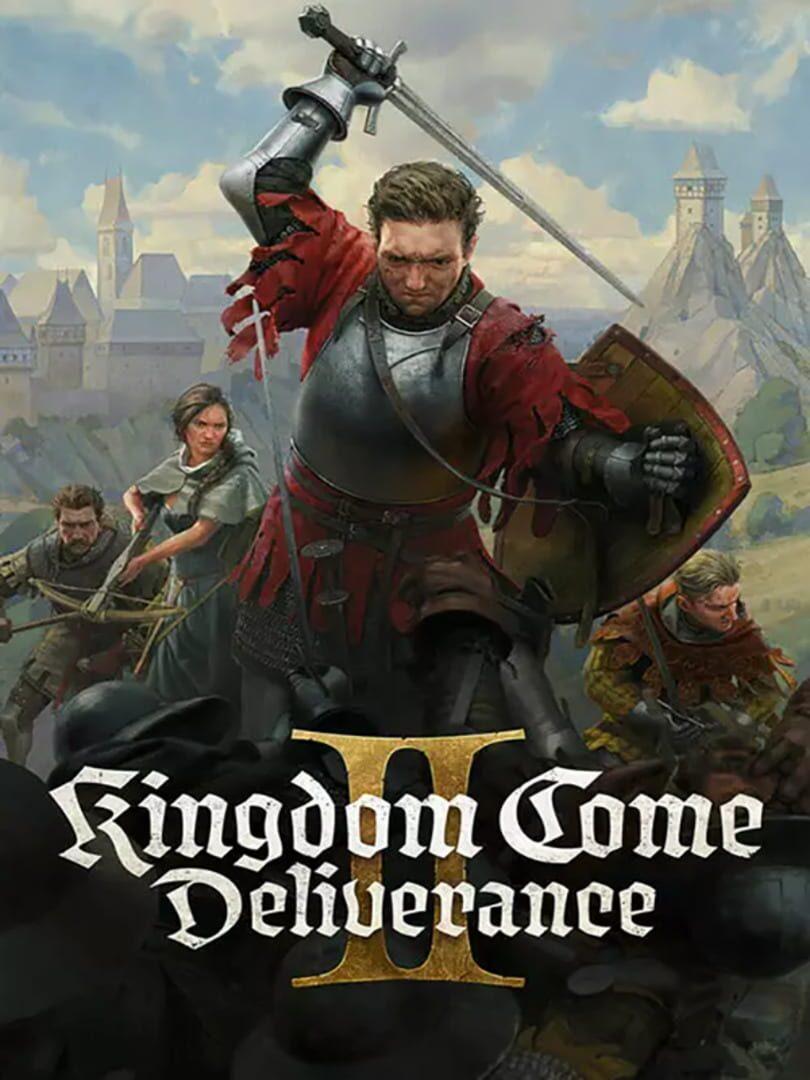
After spending days on Kingdom Come: Deliverance II, playing long sessions, it’s clear that this game isn’t just a remix of everything mentioned before, or even other games I didn’t mention. Whether it took inspiration directly or indirectly, there’s no doubt it carries a unique personality. There’s something about it something that evokes the same feelings as those first experiences with legendary games. That unmistakable sense of being in front of something great, a game that begs to be played simply because it’s that good.
Describing what its medieval world makes me feel is almost impossible no magic, no monsters, just ordinary people in an ordinary world, yet one so distant from ours. After much thought, one thing is certain: this isn’t The Witcher, nor Fable, nor Gothic, nor Skyrim, nor Baldur’s Gate this is a distinct essence, one that had never been felt before.
And just as I began this review, reminiscing about the greats, I’m sure that someday in the future I’ll say, “This is so Kingdom Come: Deliverance.”
Being just a blacksmith’s son searching for his place in the world might not sound as grand as being the chosen one destined to slay mythical beasts or save the world. But that’s the key to everything in this game how you play is a direct reflection of your character, of who he is, both mechanically and narratively. It’s not about choosing a role and having your stats align with it it’s about becoming what you play.
Moving through the shadows at night to avoid guards becomes a highly viable option if you understand the intricacies of lockpicking and theft. Every duel against a simple bandit in the woods feels weighty, a far cry from mere button mashing and subtracting an arbitrary amount of damage it’s a test of skill, like wielding a blade with true precision. Traveling without fast travel isn’t a burden; every ride through the countryside is an experience in itself.
I’ve played RPGs for years, but never before had I been so excited to craft my own weapon. In the end, there’s always some mythical, god forged blade with better stats, right? And yet, here, forging a sword feels like an accomplishment. The same goes for alchemy gathering ingredients, carefully following each step, watching a potion come to life before my eyes. It’s so damn immersive.
Engaging in debates, rolling dice in a quiet corner, crafting gear piece by piece, or even having to bathe after a long day in the forest or wash clothes after digging small details NPCs actually react to. How they see you is how they treat you. It’s not just about maxing out a stat and picking the right dialogue option. All of it feels meaningful.
In the first region of the game, I spent 70 hours just soaking it all in, enjoying every little thing. But when I moved to the next area, my mind was blown like the first time I played Elden Ring and suddenly realized the world was way bigger than I thought. Kutná Hora is peak gaming. The city’s recreation is so immersive, it feels like I’m truly walking through it. I spent entire days just wandering around with Henry, completely absorbed. The city feels so alive and real, even though it’s not the biggest place I’ve visited in a game. Bravo. Fantástico.
Composer Jan Valta has done an outstanding job on the Kingdom Come: Deliverance 2 soundtrack. His distinctive style in the pieces is a remarkable achievement, as the music simply plays, and suddenly, all those moments become magical. The Saint Barbara theme is the most iconic because it’s the one we hear the most, but compositions like Kuttgenberg (Kutná Hora) and Lacrimosa also stand out. Honestly, it made me appreciate sacred classical music even more, where much of the inspiration came from religion.
I believe its personality comes from the leitmotifs throughout the soundtrack, especially the crescendos in some pieces and the warmth of others, with a more cheerful tone and, in a way, “primitive.” I don’t know why, and I don’t even like saying it this way, but it feels like some of the most iconic scores by composers like John Williams. It’s truly captivating a cornerstone of this world’s atmosphere.
Other point that stands out is how confidently the game commits to its vision. The creators don’t shy away from their bold ideas, and you can feel that every moment of gameplay reflects that commitment. It’s brave and, above all, refreshing to see a game that trusts in its own uniqueness.
I’m truly amazed that a team of around 250 people created this game. There’s nothing more to say other than to simply recommend playing it. Maybe it’s a game you’ll never finish, but it’s one worth experiencing on your own taking your time, enjoying the journey. Just like those games, your favorites. The ones that make you feel at home.