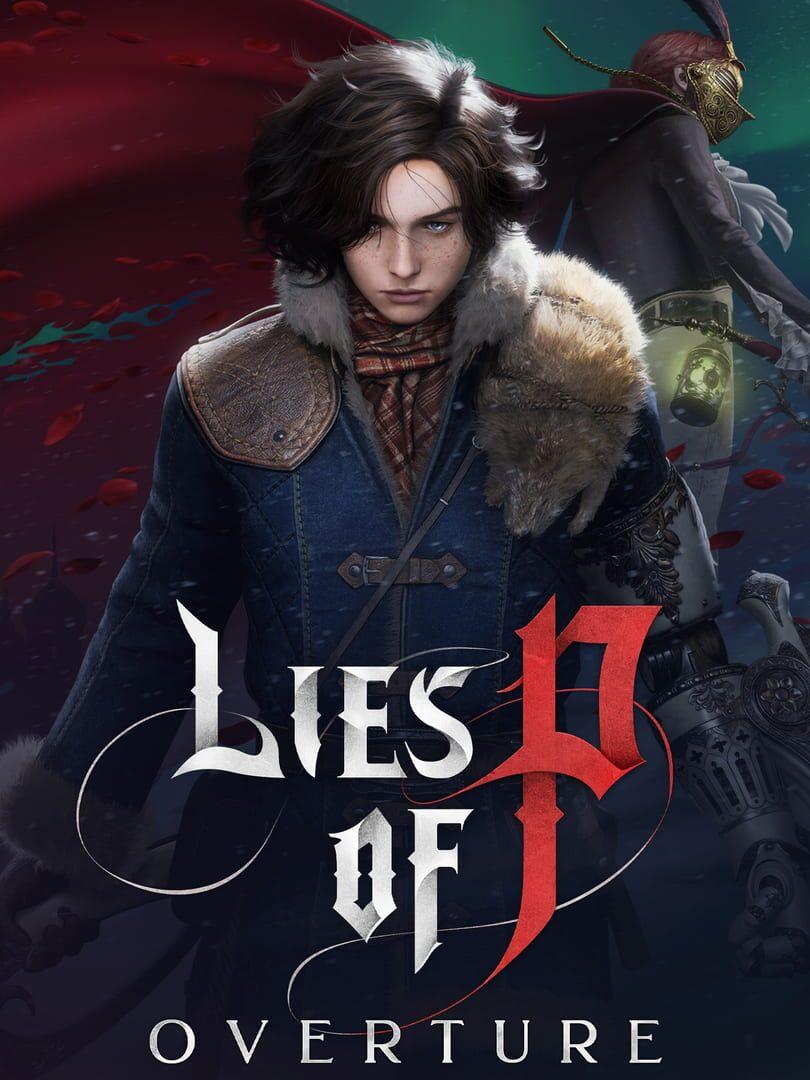
Overture is to Lies of P (2023) what The Old Hunters is to Bloodborne (2015). A bold expansion, and a fitting one.
 Lies
It’s excellent DLC, though I wouldn’t call it a reinvention. This is still Lies of P through and through, with the same strengths and the same small cracks. What it does best is distill the essence of the base game into something tighter.
I jumped in mostly because it was shadow dropped. It wasn’t even on my radar, but once I started playing, something grabbed me and didn’t let go. That something is the level design. Overture feels like a compact version of the original adventure. Areas flow into each other with intent, encounters feel carefully placed, and the pacing rarely drags. It captures the rhythm that made the base game work while trimming the excess.
It doesn’t quite reach what I would call Miyazaki’s Exquitiness. That rare blend where gameplay, music, environmental storytelling, lore, and in game cinematography feel inseparable. Personal. Deliberate. Lies of P doesn’t fully reach that territory, but it carries its own identity well.
My theory is that this is the most widely accepted souls like because it understands what makes FromSoftware’s games compelling. It respects the blueprint while still introducing its own ideas. The base game already experimented with systems like the P Organ progression tree, Legion Arms, the Cube, and weapon assembly, and Overture simply keeps building on that foundation.
Narratively, the DLC moves slightly away from FromSoftware’s cryptic philosophy. That works in its favor. A story doesn’t need to be obscure to be compelling. Miyazaki’s style is one way to tell a story, but Overture chooses another. It still leans on visual storytelling, yet the framing of events makes the narrative easier to grasp.
Trying to inject long cinematic cutscenes into a FromSoftware game would probably strip away much of its mystique. Their worlds thrive on ambiguity. Lies of P doesn’t depend on that same mystery. Its world is strange and beautiful, but it isn’t meant to be incomprehensible. That clarity feels intentional.
The new difficulty selector reflects the same philosophy. If the director wants to make the game more accessible, that decision is valid. This isn’t a FromSoftware title, and it doesn’t need to follow every one of their unwritten rules.
Since finishing the base game, I’ve considered Lies of P one of the strongest entries in the souls like space. Round8 Studio also follows a familiar tradition by placing some of the toughest encounters inside the DLC. The opening quickly knocks down any confidence you might have brought with your optimized build. Your first attempts will hurt, and if you stepped into the DLC during NG+, they will hurt even more.
Once you adjust and start respecting every encounter again, the rhythm returns. That’s when Overture truly begins. Combat demands quick thinking and rewards aggressive play. Boss fights become pure reflex tests where you juggle healing, parrying, dodging, shifting tactics, and firing off Legion Arms in rapid succession. At times I genuinely felt echoes of Bloodborne’s pace.
Visually, the art direction feels a little less inspired than the base game. Some areas come across as flat, though others shine. In a strange way, the world itself feels more cohesive and interconnected this time around. There is also a slight graphical improvement, with less of that stiff Unreal Engine 5 feel that occasionally appeared before.
Overture doesn’t surpass the original experience, but it accomplishes exactly what strong DLC should do. It expands the world, reinforces the systems, and pushes the combat further. As a result, Lies of P now feels more complete than ever.
If you’ve never played it, this might be the best time to start. It’s stylish, demanding, and the kind of game that invites experimentation, replays, and absurd character builds.
Pros
- The DLC expands on the original game without losing its identity. Its level design is one of its strongest aspects, creating a more cohesive and interconnected world that feels both strange and beautiful. The visual storytelling is effective, the combat offers some of the toughest encounters in the Soulslike genre, and the faster, more aggressive pace rewards quick thinking. It also allows for a wider range of character builds, making the experience feel more complete.
Cons
- Despite its strengths, the DLC doesn’t quite reach the heights of the original game. Some areas feel flat, and the art direction occasionally lacks the inspiration found in the base game. While the experience is more cohesive in several ways, it doesn’t necessarily surpass what came before, and its opening can be particularly punishing if you enter with an optimized build.