When Persona 3 debuted in 2006, it did so in a world marked by uncertainty. The Cold War had ended almost two decades ago, but fear persisted in new forms. Globalization offered connection alongside anxiety. The internet was still a place of discovery. Young people shared music on forums and explored their identities quietly without cameras or the intense social comparison that Instagram would later bring. They were a generation caught between the end of the old world and the start of a new one, growing up with promises that never fully arrived. Nintendo was going through its edgy phase. Even Shadow the Hedgehog had a gun. Kratos was tearing gods apart in fountains of blood. Everything was raw emotion, grit, and eyeliner. Everyone was trying to be a little darker, a little more “mature,” even if it meant slapping flames on a character or giving them tragic backstories. It was as if the whole industry was collectively going through puberty. But I believe that maturity was mostly superficial. Very few games at the time were truly mature in the way Persona 3 was. Instead of just being “dark,” Persona 3 was existential. Instead of giving the protagonist a weapon of revenge, it gave him a quiet death sentence and asked the player to reflect on what it means to live with it.
In Japan, the “Lost Decades” following the economic collapse of the 90s left a generation caught between the ruins of the old order and a future with no guarantees. Aimless youth like freeters (part-time workers), hikikomori (social recluses), and NEETs (not in education or work) reflected this existential void. Director Katsura Hashino and his team translated that feeling into a story about death, loneliness, and the search for meaning. The game didn’t just innovate mechanically and aesthetically; it became a generational portrait deeply tied to its historical context. It is important for me to elaborate on this videogame as a contextualized work because I feel its message is timeless, but its core gameplay feels somewhat tied to its time.
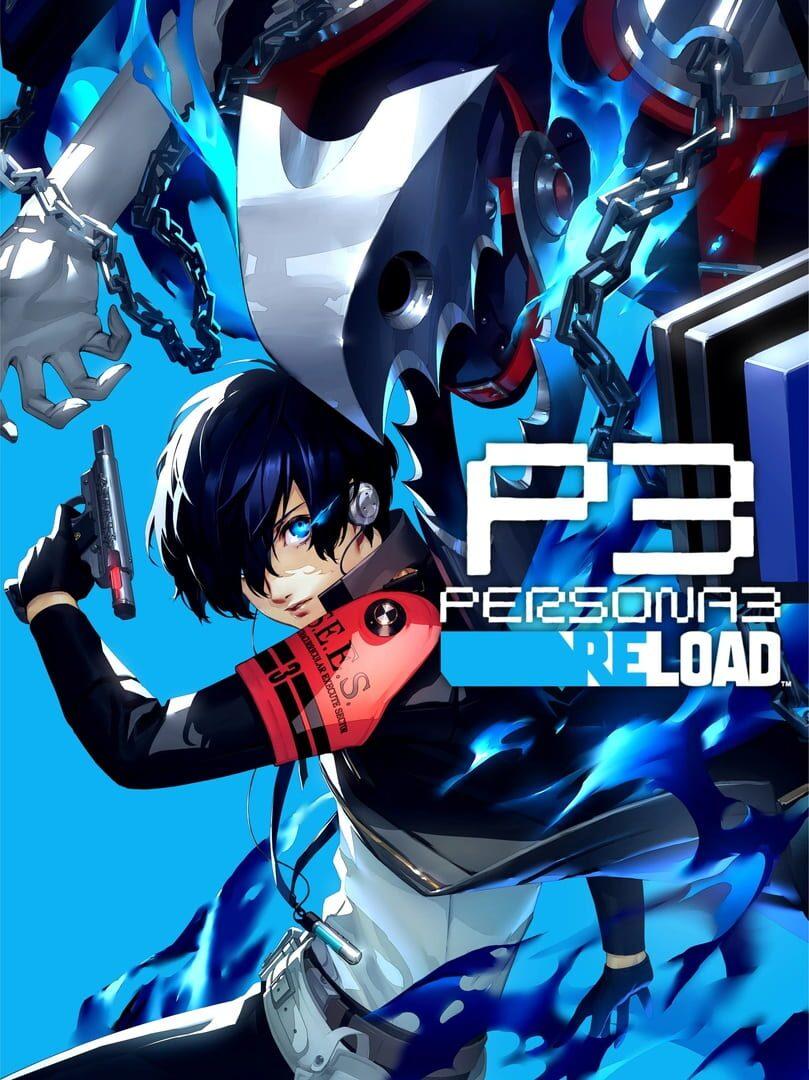
Persona 3 Reload is a remake that gets a lot of things right, and a few others not so much. The quality-of-life improvements, above all, make this the definitive version of Persona 3. I think the strongest aspect of the game is without question its narrative, its message, and its powerful ending. While it feels fresh by today’s standards, I’ve noticed some cracks in the core gameplay loop that can make it feel repetitive. Something funny I’ve been thinking about is that this is a game I really liked overall, and I want more people to experience it. Still, it’s not a game I’d recommend to just anyone. In fact, I wouldn’t even recommend it to most players. And that kind of hurts, but it’s fine. Not every game is for everyone. This was Atlus’s first commercially attractive entry in the series, sure, but it still feels like a relic of the niche roots of Shin Megami Tensei and the first two Persona games. It’s the franchise’s turning point, and you can feel it.
The dungeon crawling in Tartarus is a dense process, but it stays faithful to its source material, despite the improvements that make it more manageable. Patience makes the master. I don’t think most players will enjoy the tower. It’s not terrible, but there isn’t much variety in enemies, and they’re not particularly challenging on higher floors. It definitely leaves me with mixed feelings. The variety of bosses doesn’t impress me either, and the game takes a while to pick up. It’s a slow burn before the full Persona loop kicks in.
That said, the music doesn’t disappoint. It’s amazing how the songs feel like something a young person from that era could genuinely be listening to. It reminds me of what Akira Yamaoka did with Silent Hill 3 and Heather Mason. The MP3 player is there deliberately, and it really feels like the protagonist is listening to those tracks in that exact moment. The music is fantastic, and the lyrics are perfectly aligned with the story’s message. The art direction, both in the UI and the rest of the game, is absolutely brilliant. Blue tones fill the screen every chance they get, creating a sad and timid mood.
The social links in this game are mostly interesting (you’re the best, Akinari Kamiki, thank you for everything), and others are just bad (screw you, Gourmet King, I don’t want to eat noodles again). The party members are the most compelling characters, but I feel the male characters are pushed to the side. There are some side events that expand their presence, but even so, I didn’t feel like the group was truly united despite everything that happens. There are moments of introspection, which I love, but I feel that Takeba, Mitsuru, and Aigis clearly stand out. The others might interest you more or less, but their development isn’t as carefully handled. This is clearly a leftover from the original version, especially considering the possible romances.
The characters feel more like responses to the questions the game wants to ask. The passage of time, death, the real and only meaning of things. This anime-looking game tackles some genuinely philosophical and heavy themes. It doesn’t just brush past them. It wants you to feel a generational emotion: the loss of meaning. There’s no single answer, but I believe Aigis’s final reflection is so powerful because, luckily, this story is told through a videogame.
“The wind… It feels so nice… I admit, I’m finally noticing the beauty of spring. It’s wonderful. And yet, without exception, each and every season will come to an end.”
I’ve mentioned that the message of this game is timeless. These days, people often talk about enjoying life’s little moments. It’s not about a greater purpose. It’s about us. Enjoy that fresh cup of coffee. It’s so good. Those endless laughs with friends. Appreciate your parents, your grandparents, and their stories, even if they tell them over and over. Look at how beautiful the sky is today, the weather is perfect. Maybe today you did nothing but rest, and that’s wonderful. Maybe you worked hard and gave your all, and that’s great. Maybe you went to train, one step at a time. It feels so good to move. Like the ending song “Memories of You” says:
“Those precious times I didn’t realize I should cherish. Now all I can do is remember.”
We live on autopilot most of the time. We forget to pause and take in the beauty of what doesn’t last. I believe the biggest twist in the game isn’t death itself. We already know everything dies. It’s understanding the temporality of things, the famous mono no aware, and accepting that no matter what you do, you can’t change that. And that’s okay. While you’re here, how do you want to enjoy your life? What do you want to leave behind for others, even if they never know?
Looking back, I hope all those lost young people who played this game back then have grown into successful professionals, have built loving families, and found meaning in their lives. And to those no longer with us, I hope they found joy in the time they had.
Someday I’ll stop writing reviews. Maybe that day I won’t even be around anymore. Maybe no one will be left to read us. Maybe this site will stop being maintained and eventually shut down. Or maybe something else will happen that we can’t even predict. Does it really make sense to spend time writing such long reviews? To play games that are this long? Does it really make sense to go to work? To spend time with others if they’re going to perish anyway?
The game doesn’t offer answers. It offers perspective. It doesn’t shout its themes at you. It lets you live with them, sit with them, and eventually carry them with you. It’s a story that lingers, like a dream you can’t quite shake or a song that stays with you long after the credits roll. And maybe that’s what makes it special. Not the combat, not the social links, not even the stylish menus, but the way it quietly asks across all the game: What will you do with the time you have left? And if that question follows you outside the game, then maybe Persona 3 Reload did exactly what it set out to do.